


Pharm Ingredients
Ferulic Acid Powder
Ferulic Acid Powder Manufacturers
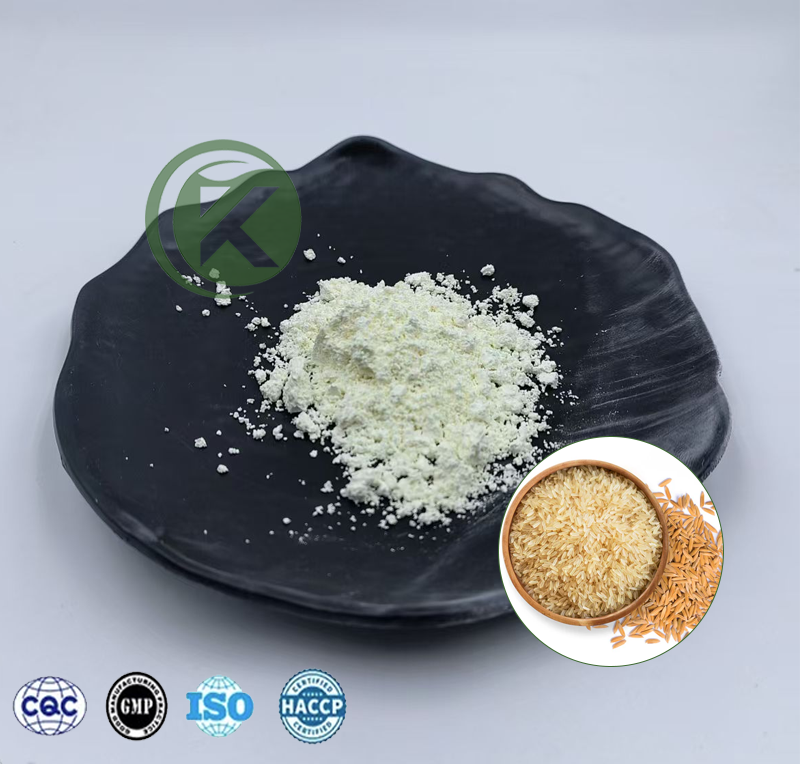
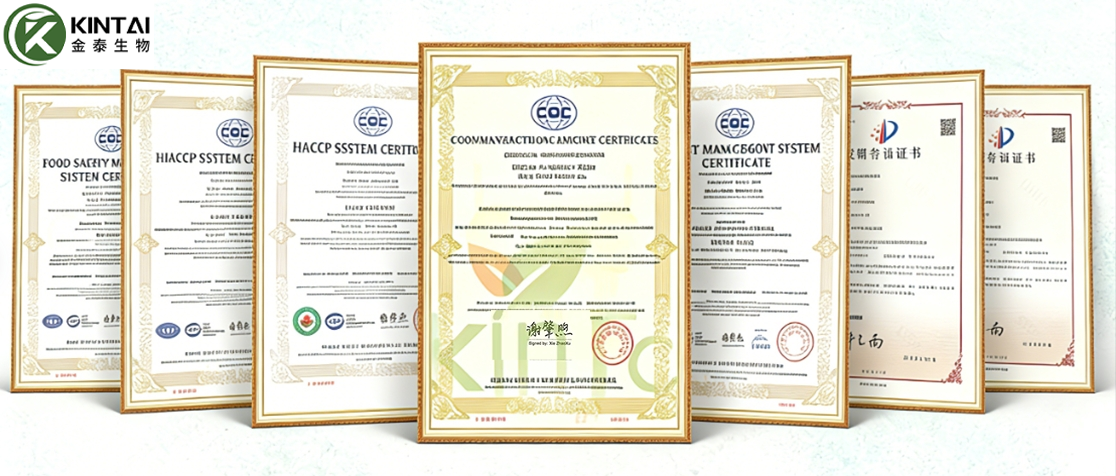
Kintainutri® are offering high-quality 98-99% natural Ferulic Acid powder. Our Chinese herbal extract factory, certified with ISO, GMP, and HACCP qualifications, is now accepting bulk orders for ferulic acid powder. Our factory strictly adheres to GMP standards to ensure top-notch quality. Before each shipment, every batch of our products undergoes 100% quality control (QC) inspection to guarantee they meet the highest standards
| Product Name | Source | Best-selling Specifications |
|---|---|---|
| Ferulic Acid Powder | Rice Bran | |
| 98% | ||
| 99% |
Product Description
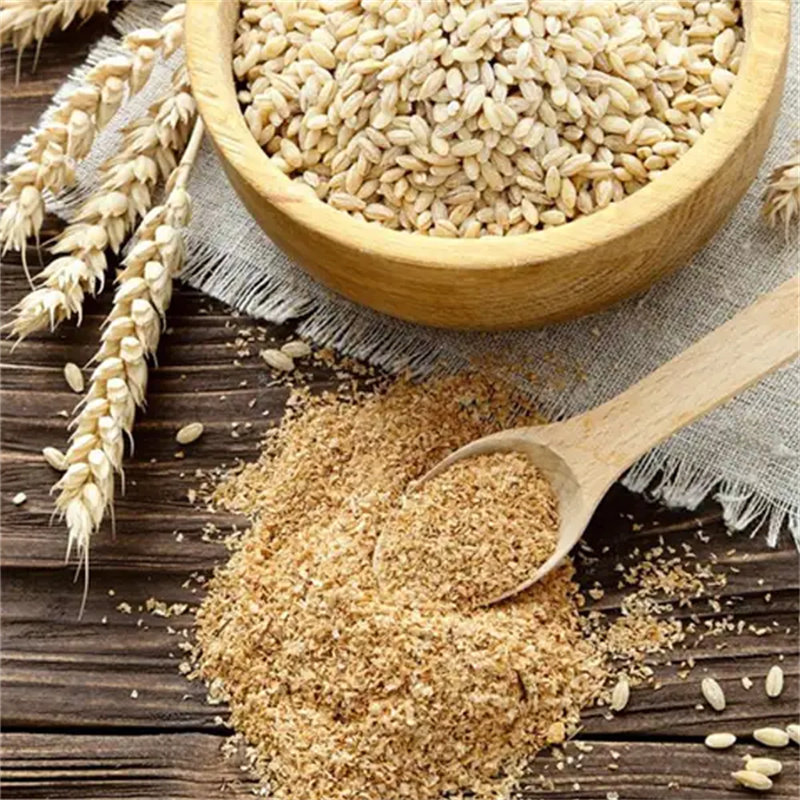
Ferulic acid, also known as Forulic acid or Ferulate, is a phenolic acid found in plants. It is present in relatively high concentrations in Chinese medicinal herbs such as Ferula, Cimicifuga, Angelica, and Spine date seed. As such, it is one of the key active components in these traditional Chinese medicines. Additionally, Ferulic acid powder can be found in rice bran. The pure Ferulic acid powder provided by our factory is primarily extracted from rice bran.
Ferulic acid exhibits a wide range of pharmacological effects and biological activities. Due to these properties, it holds significant application value in the fields of medicine, health products, and cosmetics as a raw material.
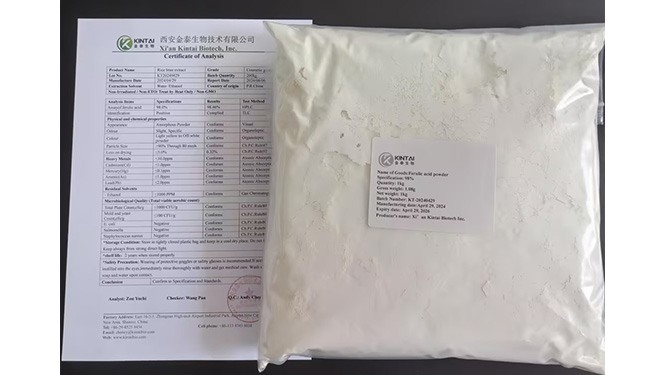
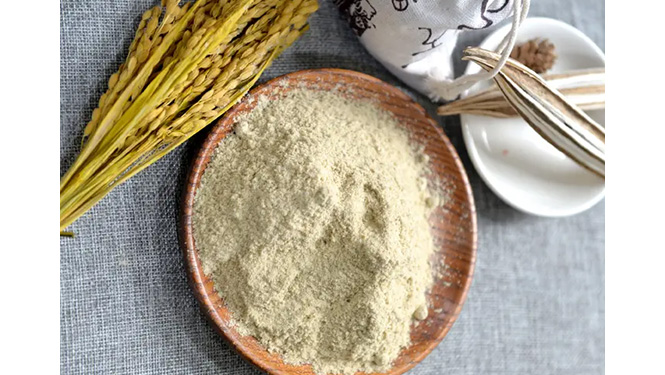
Best Ferulic Acid Powder Pure 98% Test By HPLC
Natural Ferulic Acid Powder Source Rice Bran
Physical and chemical properties
| CAS Number | 1135-24-6 | Molecular Weight | 194.184 |
|---|---|---|---|
| Density | 1.3±0.1 g/cm3 | Boiling Point | 372.3±27.0 °C at 760 mmHg |
| Molecular Formula | C10H10O4 | Melting Point | 168-172 °C(lit.) |
| Common Name | Ferulic Acid Powder | Flash Point | 150.5±17.2 °C |
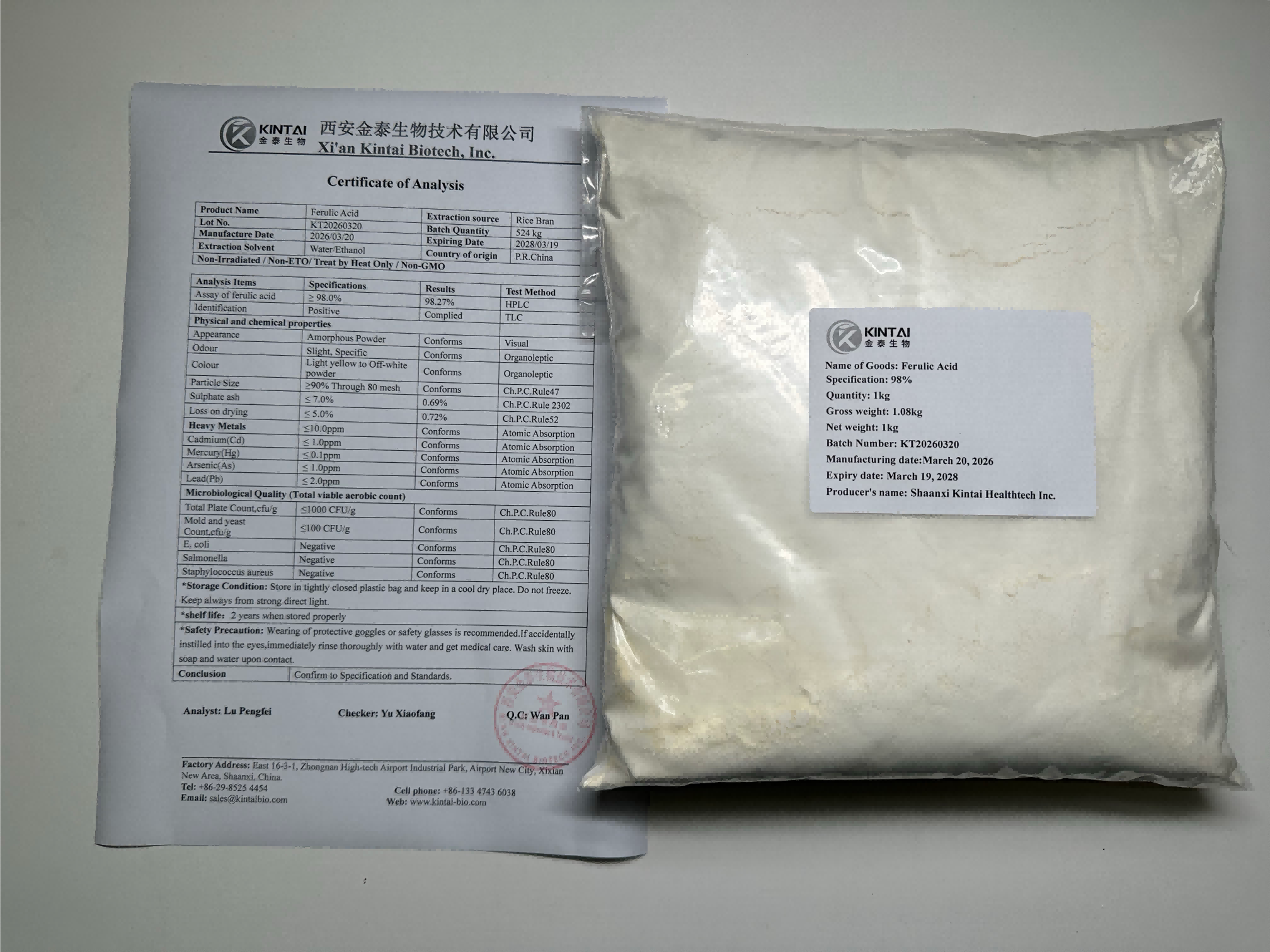
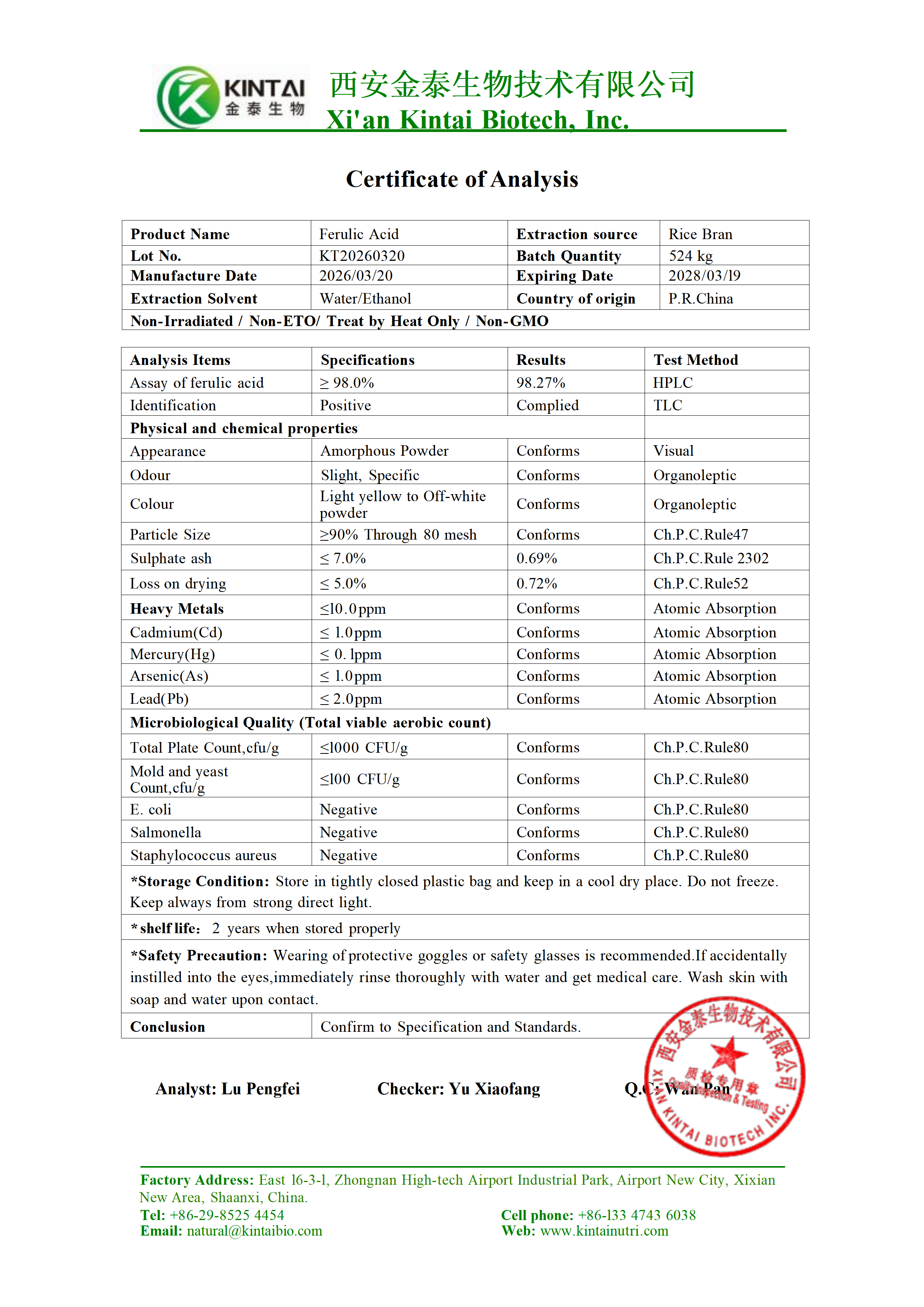
Ferulic Acid Powder COA
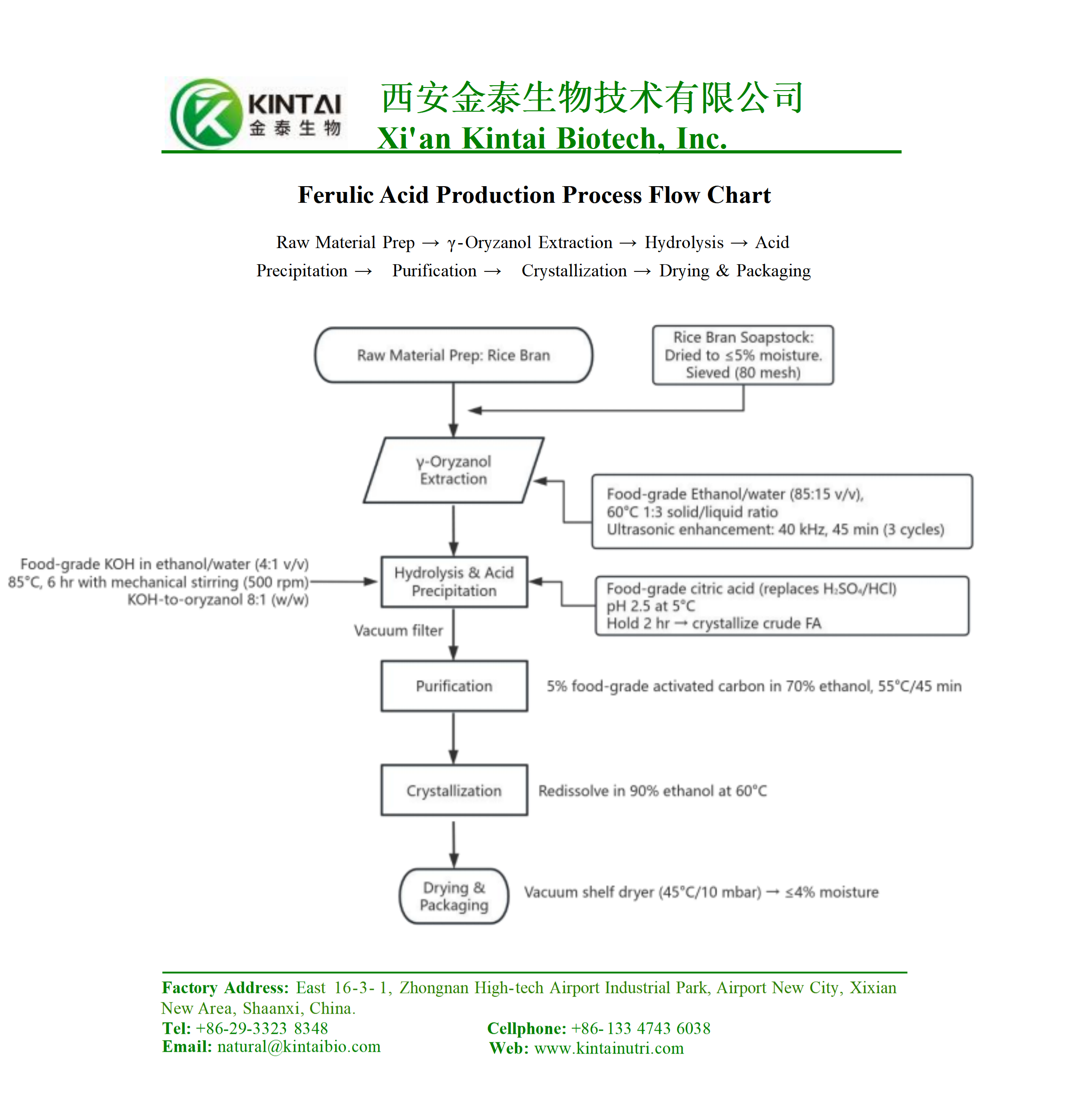
How To Make Ferulic Acid Powder?
Ferulic Acid Powder Benefits
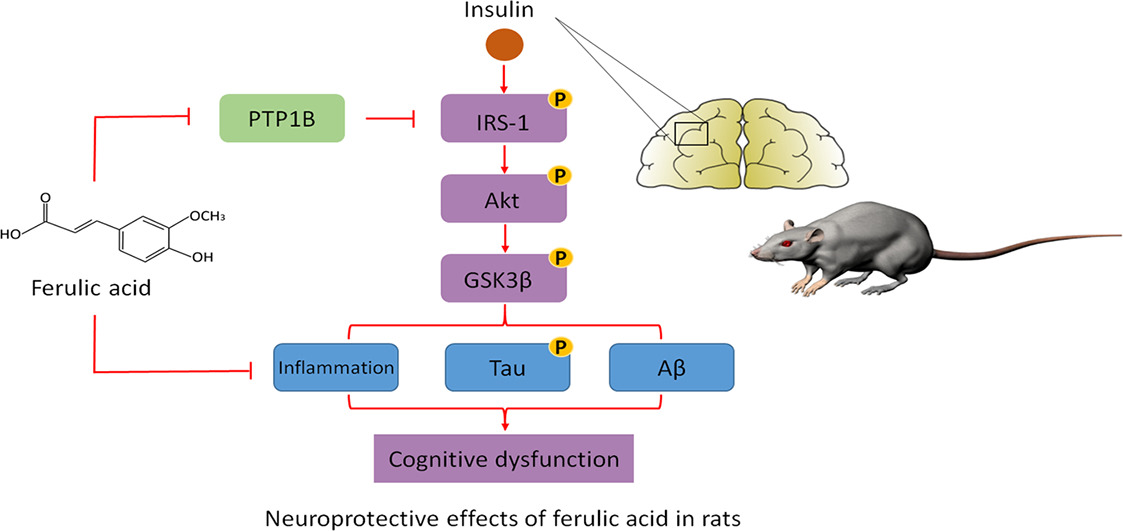
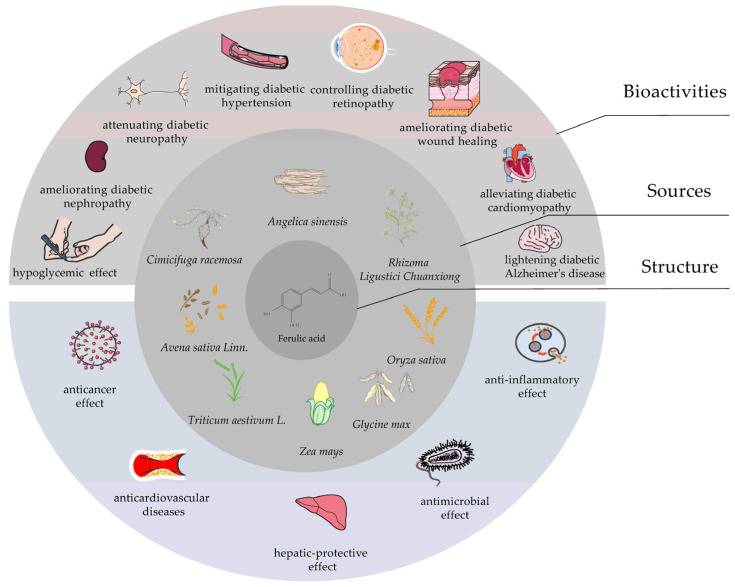
Ferulic acid and diabetes
Ferulic acid helps improve blood glucose metabolism by reducing glucose production, promoting glucose utilization, and protecting pancreatic islets: it inhibits hepatic glucose production while converting excess sugar into stored glycogen, and facilitates the efficient uptake and utilization of blood glucose by muscle and fat cells. Animal studies have confirmed these effects, and human research has established that ferulic acid powder is safe and offers lipid-lowering, anti-inflammatory, and antioxidant benefits.
However, further long-term trials involving diabetic populations are needed to verify its direct impact on fasting blood glucose. Overall, Kintainutri®’s ferulic acid represents a reliable choice among functional ingredients for metabolic health.
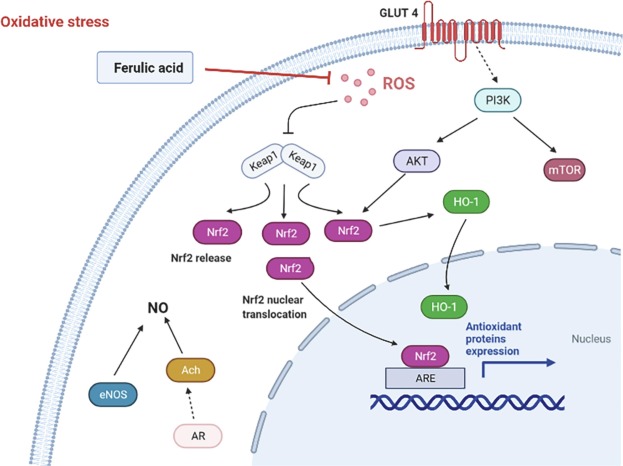
Ferulic acid antioxidant
Ferulic acid is a powerful natural phenolic antioxidant. Ferulic acid (FA) can effectively scavenge free radicals, such as superoxide anions, and inhibit lipid peroxidation through its phenolic hydroxyl group and unsaturated side chain structure. It can form resonance-stabilized phenoxy free radicals, interrupt free radical chain reactions, and prevent cell membrane damage. The phenoxy free radicals can further dimerize to enhance antioxidant capacity.
In addition, ferulic acid powder can excrete metabolites through bile, thereby exerting antioxidant protective effects. Ferulic acid can effectively scavenge free radicals and reduce chronic inflammation, making it suitable for use in anti-aging and chronic disease management products.
Cardiovascular Health Support
Ferulic acid supplementation can lower levels of total cholesterol (TC), low-density lipoprotein cholesterol (LDL-C), and triglycerides (TG), effectively improving lipid metabolism. A clinical study involving individuals with hyperlipidemia demonstrated that daily supplementation with 1,000 mg of ferulic acid for six weeks reduced TC by 8.07%, LDL-C by 9.32%, and TG by 12.12%, while increasing high-density lipoprotein cholesterol (HDL-C) by 4.32%.
Furthermore, it significantly reduced oxidized LDL-C (by 7.05%), thereby lowering the risk of atherosclerosis. These data indicate that ferulic acid powder is an ideal ingredient for developing functional foods and dietary supplements aimed at cardiovascular health.
Dosage of Ferulic Acid Powder
For improving cardiovascular health markers in patients with hyperlipidemia, an effective dosage of ferulic acid is 1,000 mg per day, administered as two 500 mg doses taken with meals over a six-week period. The study demonstrated that this regimen significantly reduces total cholesterol, low-density lipoprotein (LDL), triglycerides, and inflammatory markers while increasing high-density lipoprotein (HDL), with no observed adverse effects on liver or kidney function; these findings provide a reliable clinical dosage reference for the formulation of related products.
Ferulic Acid Powder Side Effects
Ferulic acid may have adverse effects on the intestine at higher concentrations. Studies have shown that at concentrations of 10–20 mg/L, ferulic acid powder inhibits the proliferation and reduces the viability of intestinal cells (Caco-2) while activating Caspase-3/7 to induce apoptosis.
At a concentration of 20 mg/L, it also downregulates the expression of Occludin, a key protein of the intestinal barrier, and promotes the migration of monocytes toward the intestinal epithelium, potentially triggering an inflammatory response. Toxicity to fibroblasts is observed at 40 mg/L. These findings suggest that excessive intake of ferulic acid supplements may pose risks to intestinal health; therefore, adherence to recommended dosages is advised.
Ferulic Acid Powder Uses
Ferulic acid powder for skin
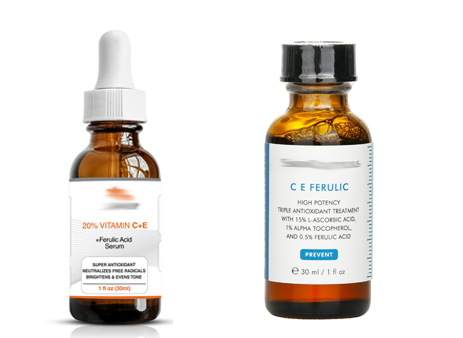
Ferulic acid offers multiple skincare benefits. It provides photoprotection by absorbing certain UV rays and neutralizing free radicals, thereby enhancing the efficacy of sunscreen products. By inhibiting tyrosinase activity, ferulic acid powder reduces melanin synthesis, resulting in a skin-brightening effect. It also inhibits matrix metalloproteinase activity to reduce collagen degradation and exerts an anti-glycation effect, helping to delay skin aging. Highly effective in skin protection, repair, and anti-aging, it meets consumer demand for safe, natural, and bioactive ingredients in products such as ferulic acid creams, ferulic acid serums, and brightening ampoules.
Pharmaceuticals and Health
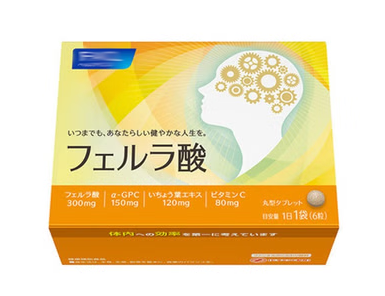
Ferulic acid powder and its derivatives (such as sodium ferulate) have been developed as pharmaceutical agents for the adjunctive treatment of conditions including ischemic stroke and coronary heart disease. As a dietary ferulic acid supplement, ferulic acid helps improve metabolic syndrome and regulate blood glucose and lipid levels. Recognized as a multi-target natural active ingredient, it is utilized in formulations for blood sugar- and lipid-lowering health foods, postoperative anti-inflammatory nutritional support, radioprotective adjuncts, and functional foods for chronic kidney and liver diseases; its favorable safety profile and synergistic effects make it suitable for combination with ingredients such as vitamins C and E and prebiotics.
Food Industry
Ferulic acid powder is a multifunctional food additive. It promotes health and acts as a preservative; its antimicrobial activity effectively inhibits foodborne pathogens such as Listeria and E. coli, and it is often used synergistically with agents like ε-polylysine. As an antioxidant, it significantly inhibits lipid peroxidation, thereby extending the shelf life of products such as meat and edible oils. Additionally, ferulic acid serves as a key precursor for the synthesis of vanillin, the primary component of vanilla extract.
Why Choose Ferulic Acid Powder By Kintainutri®?
Choose Kintainutri® ferulic acid powder. Derived from high-quality natural rice bran, our product offers high purity and stability, making it versatile for use in dietary supplements, functional foods, and skincare products. A daily intake of 1,000 mg of ferulic acid helps improve blood lipid profiles and provides antioxidant and anti-inflammatory benefits. We help you rapidly create competitive finished products and efficiently develop differentiated offerings. Please contact us for purchasing inquiries and price quotes.
Reference:
[1]: https://www.mdpi.com/1420-3049/30/18/3716
[2]: https://pmc.ncbi.nlm.nih.gov/articles/PMC2127228/
[3]: https://pmc.ncbi.nlm.nih.gov/articles/PMC6024557/
[4]: https://www.mdpi.com/2072-6643/12/6/1591
[1]: https://www.mdpi.com/1420-3049/30/18/3716
[2]: https://pmc.ncbi.nlm.nih.gov/articles/PMC2127228/
[3]: https://pmc.ncbi.nlm.nih.gov/articles/PMC6024557/
[4]: https://www.mdpi.com/2072-6643/12/6/1591